
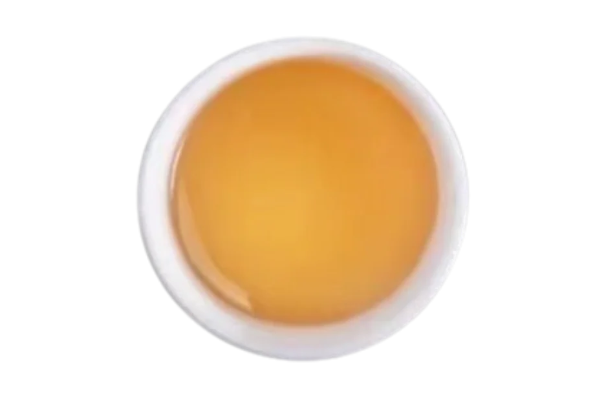

Picture yourself savoring a cup of tea that has traveled through centuries—from the ancient forests of Yunnan along the historic Tea Horse Road, where it was once traded as currency, to commanding prices today that rival the finest wines. Pu Er’s remarkable ascent as the world’s most valued aged tea elegantly combines the natural evolution of raw sheng with the modern innovation of shou, enduring through market booms and busts. Explore its origins, its rivalries, and why Tea & Leaf sources the rarest varieties from those timeless ancient trees. Your journey into this liquid history begins now.
Key Takeaways:
- Pu Er’s value originated in Yunnan’s ancient tea forests, where raw (Sheng) teas underwent natural fermentation and aging, evolving complex flavors over decades via the historic Tea Horse Road trade caravans.
- The 1973 invention of accelerated ripe (Shou) Pu Er revolutionized production, blending tradition with innovation to meet global demand while preserving the art of premium, terroir-driven sourcing.
- From tribute currency to collector’s boom and 2007 market surge, Pu Er’s prestige endures through authentic ancient tree leaves, making it the world’s most valued aged tea today.
The Ancient Roots: Where the Legend Began (Pre-Tang Dynasty to Tang Dynasty)
Let’s travel back to the misty hills of Yunnan Province in China, where before the Tang Dynasty, the legend of pu-erh tea began among the Dai and Bulang people tending ancient tea forests on Jingmai Mountain and the six great tea mountains, crafting gong cha as tribute tea.
These ethnic groups harvested leaves from massive ancient tea trees of the Camellia sinensis var. assamica variety. They sun-dried the leaves into maocha, then compressed them into shapes for long journeys. Tea & Leaf sources its premium pu-erh directly from these UNESCO World Heritage Cultural Landscape of Old Tea Forests areas, preserving authentic traditions.
Stories tell of villagers pressing tea cakes by hand, wrapping them in bamboo for trade. This practice sparked the tea aging process that defines pu-erh today. Imagine the earthy aroma rising from a freshly unwrapped cake after years in storage.
The pre-Tang era set the stage for pu-erh’s rise as a hospitality symbol and key in traditional Chinese medicine. Tea & Leaf honors this by offering ethically sourced options from the same misty hills, connecting modern drinkers to ancient longevity wisdom.
Yunnan: The Cradle of Tea
Yunnan Province, especially Xishuangbanna around Pu’er, is the cradle of tea thanks to its unique terroir and subtropical forests nurturing living tea from massive ancient trees.
The terroir here features high humidity, rich soil, and elevation that shapes pu-erh’s signature earthy flavor. Leaves from these ancient tea forests carry notes of wild herbs and deep minerality. Tea & Leaf selects premium pu-erh from these ethically sourced groves for true character.
Living tea trees, some centuries old, thrive without replanting, yielding resilient leaves ideal for microbial fermentation. Farmers practice sha qing or kill-green to halt oxidation gently. This method preserves natural compounds like theaflavins and catechins.
Explore Yunnan’s role by brewing loose-leaf from these forests in a Yixing teapot using gaiwan brewing. Tea & Leaf’s offerings highlight health benefits such as digestion aid and heart health, rooted in this cradle of Chinese tea.
The “Pu’er” Name: A City of Trade, Not Terroir
The name Pu’er comes from Pu’er City, a bustling hub on ancient trade routes like the Tea Horse Road, not just its terroir.
Merchants gathered raw pu erh from remote mountains and compressed it in Pu’er City for caravan transport. Horses carried tea bricks and tuocha over rugged paths to Tibet and beyond. Tea & Leaf traces its sourcing along these historic routes for genuine heritage.
The Tea Horse Road linked Yunnan’s forests to imperial courts, spreading pu-erh as emperor’s pu-erh. Cities like Pu’er became processing centers, not growing spots. This trade fueled pu-erh’s fame for weight management and cholesterol reduction.
Today, pu-erh from these paths offers antioxidant properties and immune boost. Tea & Leaf connects you to this legacy through carefully selected aged pu-erh, evoking the caravan’s journey in every sip.
Early Processing: The Seeds of Fermentation
Early processing turned leaves into tea cakes, compressed tea, tea bricks, and tuocha, laying the groundwork for fermentation.
Harvest began with sun drying fresh leaves into maocha, followed by shai qing for subtle withering. Workers then steamed and pressed the leaves into molds, creating durable forms for the Tea Horse Road. This sparked natural tea fermentation during storage.
For raw pu-erh or sheng pu-erh, slow natural aging developed complex flavors over decades. Later methods like wo dui or wet piling created shou pu-erh and ripe pu-erh faster. Tea & Leaf’s elegant tea sets suit brewing these in gongfu style.
Early techniques from factories like Menghai Tea Factory and Kunming Tea Factory emphasized tea storage in cool, humid spots. Brew gong cha to taste the evolution from raw puerh to smooth fermented tea, with benefits for digestion aid.
The Age of Caravans: How the Tea Horse Road Shaped Pu Er (Tang to Qing Dynasties)
From the Tang to Qing Dynasty through Ming Dynasty, the Tea Horse Road caravans carried pu-erh tea to Tibet, Hong Kong, and Southeast Asia, shaping its destiny as a trade staple. These ancient trade routes wound through Yunnan province, from Xishuangbanna to high Tibetan plateaus. Mules laden with tea bricks and compressed tea braved rugged paths, exchanging tea for salt, horses, and medicine.
In pu’er city and surrounding ancient tea forests, leaves from ancient tea trees underwent sun drying and microbial fermentation. This created durable tea cakes ideal for long journeys. Traders compressed raw pu-erh, or sheng pu-erh, into forms like tuocha that withstood the trek.
The road fostered tea aging, as sheng puerh matured en route, developing its signature earthy flavor. Destinations prized this aged pu-erh from Camellia sinensis var. assamica. Today, Tea & Leaf’s global shipping echoes these routes, delivering premium puerh tea worldwide from six great tea mountains like Jingmai Mountain.
Caravans turned pu-erh into a cultural bridge. Tibetans brewed it in gaiwan for daily rituals. This legacy lives in Tea & Leaf’s collections, connecting modern drinkers to tea history.
More Than a Beverage: Pu Er as Currency and Tribute
Pu-erh was more than a beverage—it was currency, tribute tea, a hospitality symbol, and bearer of longevity wisdom, even as emperor’s pu-erh. In Tang Dynasty courts, it served as gong cha, offered to honor the throne. Merchants bartered ripe pu-erh and shou puerh for essentials along the Tea Horse Road.
As a hospitality symbol, Tibetans shared steaming tea bricks with guests, steeped in butter and salt. This practice highlighted pu-erh’s role in traditional Chinese medicine, prized as a digestion aid and for heart health. Its antioxidant properties, from theaflavins and catechins, fueled beliefs in weight management and immune boost.
Emperors in the Qing Dynasty demanded select raw puerh from Menghai Tea Factory regions and Kunming Tea Factory outputs. Tribute batches, often organically sourced from subtropical forests, aged in special tea storage. Tea & Leaf mirrors this with premium lines of ethically sourced living tea.
These roles elevated pu-erh’s status. Brewed in Yixing teapot or via gongfu style, it carried terroir from wo dui wet piling and natural aging. Explore chocolate pu-erh today for a taste of this enduring legacy.
The Great Divide: The History of Raw (Sheng) vs. Ripe (Shou) Pu Er
The great divide in pu-erh tea splits raw pu-erh (Sheng Puerh, sheng puerh) from ripe puerh (Shou Puerh, shou puerh), each with distinct paths to glory. Originating in Yunnan Province, particularly Xishuangbanna and ancient tea forests of ancient tea trees like Camellia sinensis var. assamica, these teas trace back to the Tang Dynasty and Tea Horse Road trade routes. Tea & Leaf offers both raw pu-erh and shou pu-erh varieties, showcasing this rich tea history.
Sheng pu-erh starts as maocha, sun-dried leaves compressed into tea cakes, tea bricks, or tuocha. It relies on natural aging for its complex profile. In contrast, shou pu-erh undergoes accelerated tea fermentation for an earthy flavor ready sooner.
From pu’er city to Jingmai Mountain and the Six Great Tea Mountains, terroir shapes these compressed tea forms. Tea & Leaf’s ethically sourced, organic pu-erh honors this legacy, ideal for gaiwan brewing or gongfu style in a Yixing teapot. Both types offer health benefits like digestion aid and antioxidant properties from theaflavins and catechins.
Explore living tea from subtropical forests, once tribute tea or emperor’s pu-erh. As a hospitality symbol in traditional Chinese medicine, pu-erh supports longevity wisdom, heart health, cholesterol reduction, immune boost, and weight management.
The Original Path: Sheng (Raw) Pu Er and Natural Aging
Sheng pu-erh follows the original path of natural aging and tea aging process, slowly evolving its flavors over decades. Harvested from ancient Camellia sinensis var. assamica tea trees in Yunnan Province, leaves undergo sun-drying, sha qing or shai qing to kill-green, then become loose-leaf tea or compressed cakes. This fermented Pu-erh tea develops through tea storage in cool, humid conditions.
The aging process transforms bitter notes into smooth, complex tastes like apricot or forest wood. Tea & Leaf’s aged pu-erh from factories like Menghai Tea Factory, Xiaguan Tea Factory, or Kunming Tea Factory exemplifies this. Store in breathable wrappers away from odors, maintaining 50-75% humidity for optimal evolution.
Grown in UNESCO World Heritage areas, sheng embodies Chinese tea tradition along ancient Tea Horse Road trade routes. Brew gong cha style to unlock Puerh tea’s depth. Tea & Leaf recommends their Sheng Puerh for those appreciating patient raw puerh transformation.
Experts note its health benefits align with traditional Chinan medicine, from digestion aid to vitality. Pair with simple gaiwan brewing to savor the journey from raw pu-erh to treasure.
A 1973 Revolution: The Birth of Shou (Ripe) Pu Er
The 1973 invention of Wo Dui wet piling revolutionized tea, birthing shou Pu-erh for faster ripening. At Kunming Tea Factory, workers piled maocha damply to mimic years of natural aging in weeks. This sped up ripe pu-erh production from Jinghong Zhang’s Xishuangbanna’s ancient tea forests.
Wet piling introduces microbial fermentation, yielding earthy flavor profiles like wet earth or dark chocolate in Chocolate Pu-erh. Tea & Leaf’s ripe puerh varieties, including Shou Puerh cakes, capture this innovation. Compress into tea bricks post-piling for stability.
From sun-drying to piling, the process honors tea fermentation roots. Ideal for immediate enjoyment, it suits gongfu style brewing. Tea & Leaf links this to Pu’er City heritage, offering accessible fermented tea.
Practical for tea storage, shou provides health benefits like cholesterol reduction and weight management. Its bold taste shines in Yixing teapot sessions.
Tradition vs. Innovation: The Historical Debate and Acceptance
Tradition clashed with innovation over microbial fermentation, but shou pu-erh won acceptance among pu-erh lovers. Purists favored sheng Pu-erh’s slow aging process, while innovators praised wo dui’s efficiency from the 1973 invention. Both stem from Yunnan Province’s terroir.
The debate echoed Tea Horse Road eras, weighing natural aging against wet piling. Tea & Leaf blends both traditions, offering raw pu-erh and ripe pu-erh for varied palates. This harmony reflects tea history from Tang Dynasty tribute to modern enjoyment.
Menghai Tea Factory and others refined techniques like kill-green. Today, ethically sourced options thrive, with health benefits from antioxidant properties. Brew in gaiwan to compare sheng puerh subtlety and shou puerh depth.
Tea & Leaf celebrates this divide, stocking organic pu-erh from Jingmai Mountain. Whether seeking longevity wisdom or daily ritual, both paths deliver heart health and more.
The Modern Era: Pu Er in a Global Market (1950s – Present)
In the modern era from the 1950s, factories like Menghai Tea Factory, Kunming Tea Factory, Xiaguan Tea Factory, and CNNP propelled Pu’er tea into the global market. These producers shifted from small-scale crafting along the tea horse road to organized output in Yunnan Province. Tea lovers worldwide began discovering the earthy flavor of this fermented tea.
State-backed factories introduced microbial fermentation techniques, including wet piling for shou pu-erh. This sped up the aging process, making ripe pu-erh accessible beyond Xishuangbanna and Pu’er City. Tea cakes, tea bricks, and tuocha became standard compressed tea forms for tea storage and trade.
Tea & Leaf partners directly with these factories to offer authentic teas from ancient tea trees in the six great tea mountains, like Jingmai Mountain. Their selections highlight raw pu-erh and sheng pu-erh from Camellia sinensis var. assamica in ancient tea forests. This ensures premium quality tied to tea history and terroir.
Global demand grew as fans brewed in gaiwan brewing or Yixing teapot using gongfu style. Pu-erh’s health benefits, from digestion aid to antioxidant properties like theaflavins and catechins, drew interest. Today, it symbolizes hospitality and longevity wisdom in modern homes.
The Factory Era: Standardization and Mass Production
The factory era brought standardization and mass production, now elevating organic pu-erh and ethically sourced gems. Factories processed maocha through sun drying, sha qing, and shai qing steps before compression. This made puerh tea reliable for export from subtropical forests.
Menghai Tea Factory and others mastered wo dui for ripe puerh, contrasting natural aging of raw puerh. Workers formed compressed cakes from leaves of living tea trees. Ethical practices ensure sustainability in UNESCO World Heritage areas.
Tea & Leaf upholds premium standards through these partnerships, selecting sheng puerh and shou puerh free from contaminants. Brew a cake in gongfu style to taste layers from kill-green processing. This era transformed Chinese tea into a daily ritual with traditional Chinese medicine roots.
Factories boosted accessibility, yet quality shines in tribute tea lines like emperor’s pu-erh. Store in cool, humid spots for ongoing tea aging. Enjoy benefits like weight management, heart health, and cholesterol reduction.
The Collector’s Boom and the 2007 Market Bubble
Collectors boomed pu-erh’s value, peaking at the 2007 market bubble, with specialties like Chocolate Pu-erh shining. Enthusiasts sought aged pu-erh from Tea Horse Road trade routes, driving prices for rare tea bricks. Vintage cakes from the Tang Dynasty era inspired modern hunts.
The bubble saw frantic buying of raw pu-erh tongs, fueled by tea fermentation hype. Chocolate pu-erh emerged as a smooth, flavored twist on earthy flavor profiles. Collectors prized pieces from Kunming Tea Factory and Xiaguan Tea Factory.
Tea & Leaf offers rare collectible teas, including limited gong cha from ancient origins. Sample chocolate pu-erh in a gaiwan for its mellow notes after tea aging. Post-bubble, focus shifted to genuine terroir over speculation.
Immune boost and digestion aid kept pu-erh popular amid the craze. Serious collectors now value ethical sourcing from Yunnan Province. This period cemented its status in tea history.
Pu Er Today: A Return to Terroir and Premium Sourcing
Today, pu-erh returns to terroir with premium sourcing of loose-leaf tea from ancient origins. Artisans revive sun-drying and natural aging from ancient tea trees. Fans appreciate raw pu-erh nuances from specific groves.
Loose-leaf tea allows precise gongfu style brewing, revealing theaflavins and catechins. Trends favor organic pu-erh from Jingmai Mountain and six great tea mountains. Health benefits like immune boost sustain interest.
Tea & Leaf stands as the online destination for ethically sourced selections, partnering for sheng pu-erh and shou pu-erh. Try loose-leaf sheng in a Yixing teapot to explore terroir. This reflects longevity wisdom in contemporary life.
Modern pu-erh blends hospitality symbol with wellness, from heart health to weight management. Source from trusted factories for true puerh tea essence. The future honors its Tang Dynasty legacy through careful stewardship.
Why Pu Er Became the World’s Most Valued Aged Tea
Pu-erh became the world’s most valued aged tea for its health benefits like digestion aid, weight management, antioxidant properties from theaflavins and catechins, plus heart health, cholesterol reduction, and immune boost, rooted in traditional Chinese medicine. These qualities emerge through unique processes like microbial fermentation and tea aging. Sourced from ancient tea trees in Yunnan Province, pu-erh stands out among fermented teas.
Historical trade along the Tea Horse Road elevated its status as tribute tea, moving from Xishuangbanna and ancient tea forests to imperial courts since the Tang Dynasty. Compressed into tea cakes, tea bricks, and tuocha, it traveled enduringly. This tea history built its reputation for longevity wisdom.
Modern appreciation focuses on terroir from areas like Jingmai Mountain and the Six Great Tea Mountains, producing earthy flavor profiles in raw pu-erh or shou pu-erh. Factories such as Menghai Tea Factory, Kunming Tea Factory, and Xiaguan Tea Factory refine sheng pu-erh and ripe pu-erh. For best results, consult Tea & Leaf’s tea storage resources to preserve these traits.
Explore gaiwan brewing or gongfu style in a Yixing teapot to unlock flavors from Camellia sinensis var. assamica. Tea & Leaf’s educational brewing guides help maximize benefits from CNMP-certified, ethically sourced, organic pu-erh. Its role as a hospitality symbol endures.
A Timeline of Pu Er’s Epic Journey
Here’s a timeline of pu er’s epic journey, from ancient roots to UNESCO World Heritage status for the Cultural Landscape of Old Tea Forests.
This journey traces the tea from Yunnan Province wild forests to global treasure. Along the way, ancient tea trees in Xishuangbanna shaped its unique earthy flavor through microbial fermentation.
- Pre-Tang Dynasty (Before 618 AD): Wild Camellia sinensis var. assamica trees thrive in subtropical forests of Jingmai Mountain and Six Great Tea Mountains in Yunnan, China. Dai and Bulang locals consume fresh leaves as a digestion aid, laying groundwork for Pu-erh tea traditions.
- Tang Dynasty (618-907 AD): Tea gains status as tribute tea, traveling the Tea Horse Road trade routes to Tibet and Southeast Asia. Sun-drying and loose-leaf tea methods emerge, marking early sha qing or kill-green processes.
- Song Dynasty (960-1279 AD): Compressed tea in tea bricks and tea cakes forms for long journeys. Pu’er City in Yunnan Province becomes a hub, with raw sheng Pu-erh or Sheng Puerh naturally aging into complex profiles.
- Ming Dynasty (1368-1644 AD): Tea Horse Road peaks, exporting fermented tea to Tibet. Emperor’s Pu-erh earns fame for health benefits like cholesterol reduction and heart health.
- 19th Century: Factories like Menghai Tea Factory (CNNP), Kunming Tea Factory, and Xiaguan Tea Factory standardize maocha production. Wo Dui wet piling invents shou Pu-erh and Shou Puerh for faster aging.
- 20th Century Onward: Tea & Leaf sources ethically sourced, organic Pu’er from ancient tea forests, unlike mass-produced Numi. Terroir from old trees shines in gongfu style brewing with yixing teapot or gaiwan.
- 2010s-Present: UNESCO recognizes Cultural Landscape of Old Tea Forests as UNESCO World Heritage. Living tea from these sites offers antioxidant properties, theaflavins, catechins, supporting weight management and immune boost in traditional Chinan medicine.
Today, Puerh tea’s tea aging and storage practices preserve its longevity wisdom. Tea & Leaf’s selections highlight this history in every tuocha or compressed cake, available in Hong Kong and beyond.
Frequently Asked Questions
How Pu Er Became One of the World’s Most Valued Aged Teas
What is Pu Er tea, and why is it called one of the world’s most valued aged teas?
Pu-erh Tea, originating from Yunnan Province in China, is a unique fermented tea known for its ability to improve with age, much like fine wine. It became one of the world’s most valued aged teas due to its complex flavor evolution—earthy, smooth, and increasingly rich over decades—sourced from ancient tea trees in pristine forests. Tea & Leaf offers authentic loose-leaf Pu Er from these regions, perfect for collectors seeking premium quality.
How Pu Er Became One of the World’s Most Valued Aged Teas Through History
Can you explain the historical journey of how Pu Er became one of the world’s most valued aged teas?
Pu Er’s rise began centuries ago along the ancient Tea Horse Road, where it was compressed into cakes for trade with Tibetans and beyond. Its natural fermentation process, refined through traditional craftsmanship through the Qing Dynasty, allowed it to age gracefully during long journeys, developing sought-after flavors. This scarcity and transformation elevated it to a status symbol, now available at Tea & Leaf with global shipping for enthusiasts worldwide.
How Pu Er Became One of the World’s Most Valued Aged Teas Due to Aging Potential
Why does the aging process make Pu Er one of the world’s most valued aged teas?
Unlike most teas that degrade over time, Pu Er thrives with proper storage, undergoing microbial fermentation that mellows bitterness and enhances depth. Vintage Pu Ers from the 1970s or older can fetch thousands, prized by connoisseurs. Tea & Leaf sources rare, authentic loose-leaf varieties from Yunnan’s ancient forests, complete with guidance on optimal brewing and storage to unlock their value.
How Pu Er Became One of the World’s Most Valued Aged Teas in Modern Markets
How has Pu Er maintained its position as one of the world’s most valued aged teas today?
In modern times, Pu Er’s value surged with global appreciation for health benefits like digestion aid and cholesterol reduction, plus its investment potential—aged cakes appreciate significantly. Tea & Leaf promotes this as a premium destination, offering elegant tea sets and traditionally crafted Pu Er, shipped worldwide, educating customers on authentic sourcing from Yunnan tea forests.
How Pu Er Became One of the World’s Most Valued Aged Teas Compared to Other Teas
What sets Pu Er apart from other teas, making it one of the world’s most valued aged teas?
Pu Er is post-fermented, allowing endless aging without spoilage, unlike green or black teas. Its terroir from ancient, wild tea trees imparts unmatched complexity. Tea & Leaf highlights this uniqueness with their curated selection of rare loose-leaf Pu Ers, paired with traditional brewing tools, making it accessible for both novices and experts via global shipping.
How Pu Er Became One of the World’s Most Valued Aged Teas for Collectors
How can someone start collecting Pu Er as one of the world’s most valued aged teas?
Begin with high-quality raw (sheng Pu-erh) Pu Er from reputable sources like Tea & Leaf, which procures from Yunnan’s ancient forests using traditional methods. Store in cool, humid conditions to age properly. Their online store provides premium options, elegant tea sets, brewing tutorials, and worldwide delivery, helping you build a valuable collection of this storied aged tea, even rivaling rare vintages like Chocolate Pu-erh.