

Key Takeaways
- Moisture monitoring is essential for effective water damage recovery.
- Advanced technologies like smart sensors and AI enhance moisture detection.
- Proper monitoring prevents mold growth and structural damage.
- Continuous data collection aids in efficient restoration and insurance claims.
Table of Contents
- Importance of Moisture Monitoring
- Advanced Technologies in Moisture Detection
- Preventing Secondary Damage
- Continuous Monitoring and Data Logging
- Role of AI in Water Damage Restoration
- Best Practices for Effective Moisture Monitoring
- Conclusion
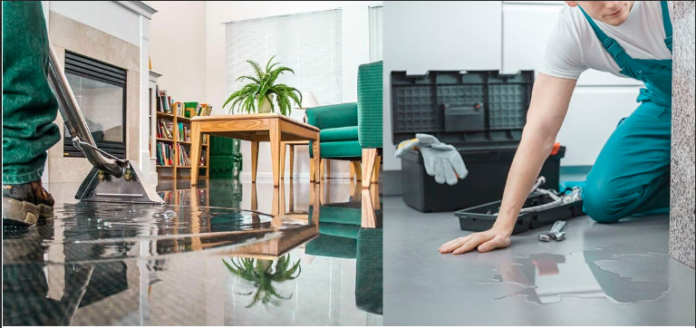
Water damage can cause considerable disruption and destruction to both residential and commercial properties. In many cases, the longer water is allowed to linger, the more severe the consequences become, leading to costly repairs and extensive remediation efforts. For homeowners and property managers facing these challenges, partnering with a trusted restoration company Denver can be critical in ensuring a swift and comprehensive recovery. Moisture monitoring plays a pivotal role throughout the process, facilitating thorough drying and reducing the risk of future water incursion.
Every incident involving water intrusion demands a precise understanding of how deeply the moisture has penetrated building materials. Even if affected areas appear dry on the surface, moisture can remain trapped within walls, floors, and substructures. Failure to locate and remedy this hidden moisture often leads to more severe outcomes, including structural compromise, persistent odors, and potentially hazardous mold colonies. By conducting accurate moisture assessments and ongoing monitoring, restoration specialists can thoroughly address these areas, minimizing the risk of long-term complications.
Importance of Moisture Monitoring
Once water has entered a property, it is vital to measure and monitor moisture levels. Complete drying cannot be determined without ongoing monitoring, even if surfaces feel dry to the touch. Undetected moisture may cause hidden issues that do not appear until much later, such as warped flooring, damaged drywall, or compromised wooden supports. Professionals use moisture meters and thermal imaging cameras to detect concealed damp spots, ensuring all areas are properly assessed and that drying efforts continue until the environment is safe and stable.
According to the Environmental Protection Agency, mold growth may begin within 24 to 48 hours of water infiltration, underscoring the need for timely, precise moisture detection. Quickly identifying areas where moisture persists allows remediation before such growth can begin, protecting both the building and its occupants’ health.
Advanced Technologies in Moisture Detection
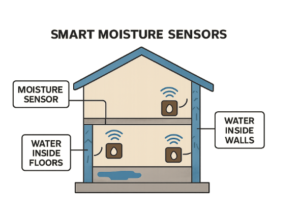
Modern water damage recovery increasingly relies on advanced technology for precise, non-destructive detection. For example, infrared cameras can reveal temperature variations caused by hidden moisture behind walls and beneath floors, reducing the need for disruptive demolition. Similarly, wireless smart sensors and Internet of Things (IoT) devices enable restoration specialists to monitor humidity and temperature in real time across multiple spaces. With instant data transmission, these technologies allow for rapid decision-making and targeted action, enhancing the efficiency of both initial drying and ongoing environmental control.
Smart systems can continuously feed information back to restoration teams, identifying new sources of moisture as they arise. This constant vigilance helps keep the recovery process on track, supports detailed documentation for insurance purposes, and ensures the job is performed as quickly and thoroughly as possible.
Preventing Secondary Damage
The greatest threat following water damage is often what cannot be immediately seen. Persistent moisture may foster conditions ripe for secondary issues, such as structural degradation or large-scale mold growth. Accurate, continuous monitoring enables restoration professionals to detect these threats early and intervene before issues worsen. When monitoring is neglected, the results may not manifest until weeks or months later, making repairs dramatically more expensive and disruptive.
Proper moisture removal also promotes quicker restoration of everyday living spaces by reducing odors, mitigating health risks, and eliminating the conditions that allow dust mites and other indoor allergens to thrive. In this way, moisture tracking is not only about saving materials and reducing cost, but also about protecting the well-being of everyone who uses the building.
Continuous Monitoring and Data Logging
Comprehensive moisture management during water damage restoration goes far beyond simply measuring once or twice. Sensors placed in at-risk areas track changes over hours and days, offering restoration teams objective evidence of progress. Data loggers automatically record moisture levels and ambient conditions, providing clear records of when drying goals are achieved and vital proof in support of insurance claims.
This methodical recordkeeping supports a scientific approach to drying, making it easier to justify decisions to insurers or other stakeholders and to replicate successful recovery methods in the future. Accurate logging also helps prevent future claims disputes by establishing precisely what actions were taken and their outcomes.
Role of AI in Water Damage Restoration
Artificial intelligence (AI) is playing a transformative role in how the restoration industry manages ongoing moisture challenges. By analyzing historical and real-time data, AI-powered tools identify unusual moisture patterns, signal when drying processes need adjustment, and can even forecast problem zones before they arise. Machine learning allows these systems to improve over time, refining their recommendations for airflow, dehumidification, and equipment allocation based on prior results.
Most significantly, such intelligent systems help to streamline restoration workflows and lower energy consumption, supporting more sustainable operational practices. Continuous technological adaptation in the water damage sector promises even greater advancements and increased peace of mind for property owners and managers facing future incidents.
Best Practices for Effective Moisture Monitoring
- Deploy multiple moisture detection tools simultaneously, such as moisture meters, hygrometers, and thermal imaging devices, for a thorough site evaluation.
- Invest in continuous monitoring technologies to track moisture trends and alert restoration teams to changes in real time.
- Keep organized and time-stamped records of all moisture readings, modifications to drying strategies, and outcomes achieved during the recovery period.
- Ensure restoration personnel are equipped with comprehensive training on new technologies and are versed in interpreting both device readings and data analytics.
Conclusion
Moisture monitoring forms the backbone of effective water damage mitigation, maximizing the success of restoration efforts while minimizing the risk of lingering damage or recurring losses. Modern technology, from advanced sensors to AI-driven analytics, is elevating the field to new heights, ensuring faster recovery and more controlled outcomes. By embracing these tools and best practices, restoration professionals and property owners can confidently navigate the recovery process and return their spaces to optimal condition.