

Key Takeaways
- Uncontested divorces allow for a faster, less expensive process with fewer court appearances.
- Mediation facilitates amicable agreements and resolves disputes with less confrontation.
- Thorough organization and accurate documentation are necessary for a smooth divorce process.
- Legal advice and emotional support are crucial for navigating both the legal and personal aspects of divorce.
Divorce is often stressful, but with the right approach, you can minimize complications and reduce the emotional and financial toll on everyone involved. Anyone facing the end of a marriage hopes for a more straightforward path, and focusing on clarity, organization, and cooperation is key. For residents in Florida, exploring options such as uncontested divorce Tampa can provide a less adversarial starting point and help keep the process manageable from the outset.
Making informed decisions at every step will influence not only how quickly your divorce is finalized but also your own sense of closure and peace. Understanding the fundamental strategies to simplify divorce, from professional guidance to streamlined agreements, creates a foundation for a fresh start. Ensuring these priorities are met means less time in court and more energy devoted to moving forward. A proactive mindset and a willingness to seek cooperation whenever possible are essential for reducing both costs and conflict.
Opt for an Uncontested Divorce
When both spouses agree on key issues such as property division, custody, and support, the divorce proceeds as uncontested. This eliminates lengthy courtroom battles, resulting in lower legal costs and less stress overall. Florida offers a “Simplified Dissolution of Marriage” for qualifying couples, allowing them to finalize their divorce without further delay. Thoroughly reviewing local requirements helps you determine if this option is right for your case and can save significant time and money for both parties.
Utilize Mediation Services
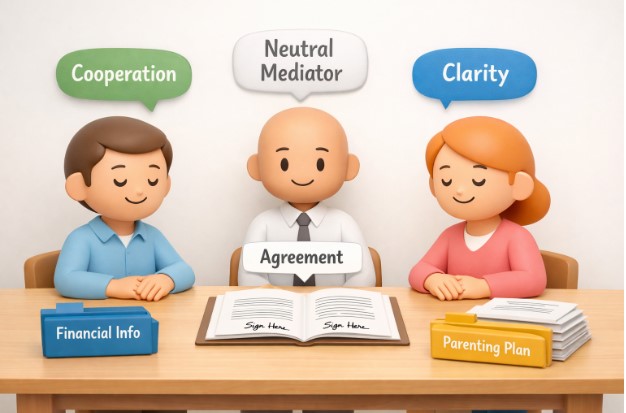
Mediation can bring major benefits when couples need to resolve challenging issues but want to avoid adversarial litigation. A neutral third-party mediator helps both parties find common ground on issues such as child custody, visitation schedules, and asset division. The focus stays on cooperation, minimizing negative emotions, and promoting creative, mutually beneficial solutions. In many states, mediation is encouraged or even required before proceeding to litigation, which also helps unclog family courts and reduce overall costs.
Prepare a Property Settlement Agreement
One of the most important documents in any divorce is the Property Settlement Agreement (PSA). Clearly defining the division of all assets, debts, and obligations ensures both parties have a detailed record of what was decided. A well-prepared PSA covers real estate, investments, personal valuables, vehicles, and outstanding liabilities. Attention to detail at this stage prevents confusion down the line and makes it difficult for either party to contest terms after the fact. An organized PSA not only expedites the legal process but also provides long-term peace of mind by preventing future disputes.
Stay Organized and Document Everything
Keeping meticulous records is critical for anyone seeking a straightforward divorce. Collect and organize all necessary financial documents, tax returns, mortgage or lease agreements, and any written correspondence regarding settlement terms or co-parenting arrangements. Regularly updating these records allows you to respond quickly to requests from attorneys or the court, streamlining decision-making and avoiding surprises midway through the process. Good record-keeping is invaluable during negotiations or court proceedings, reducing the risk of misunderstandings or delays.
Seek Professional Legal Advice
Even if you hope to keep your divorce friendly, consulting an experienced family law attorney is an important safeguard. A lawyer will confirm that agreements are legally sound, highlight any overlooked details, and help you understand your rights and obligations. Professional legal advice is especially valuable when dealing with complex assets or spousal or child support issues.
Consider the Emotional Impact
The emotional strain of divorce is undeniable for everyone involved. Seeking support from mental health professionals, therapists, or local support groups can alleviate anxiety and help you process the changes you are experiencing. Emotional clarity supports better communication and rational negotiation with your spouse, improving the likelihood of a mutually beneficial outcome. Prioritizing self-care as part of your strategy ensures you are strong enough to handle both the practical and personal demands of divorce.
Be Open to Compromise
Approaching your divorce negotiation process with a spirit of compromise is critical for avoiding deadlocks and reducing litigation time. Flexibility enables both parties to walk away with agreements they can accept, even if those solutions require some concessions. A cooperative attitude decreases hostility and speeds settlement, preserving relationships, especially when children are involved, and ongoing cooperation is required.
Final Thoughts
Simplifying your divorce process calls for organization, cooperation, and professional support. By prioritizing uncontested proceedings, choosing mediation when possible, preparing comprehensive agreements, and seeking trusted legal and emotional guidance, you can turn a potentially overwhelming experience into a more manageable transition. Each of these steps not only saves time and money but also paves the way for an amicable outcome and a confident path forward after divorce.