

It’s hard to store, pause, or replace time. Time is a big part of everyday life because every person, business, and system has a set amount of time to work with. Time limits affect how things are planned and done, whether it’s finishing a project on time, balancing work and life, or making quick judgments while you’re under pressure. To be more productive, less stressed, and have better results at home and at work, you need to understand this idea.
A time limitation is just a short amount of time you have to finish a task or reach a goal. This limit can be flexible or strict, short-term or long-term, but it always means that people or groups have to carefully think about what to do first. When people don’t pay attention to time limits, their productivity often goes down, which leads to missed deadlines and bad results.
Comprehending the Notion of Time Constraint


A time restriction is when a work has to be done by a certain time. This could be a deadline for each day, a calendar for each week, or a timeline for a long-term project. Time limits aren’t always bad; in fact, they can help you stay on track and focused. When people don’t have much time, they tend to focus on what really matters and get rid of things that aren’t important.
But problems come up when time limits are too strict or not well handled. Too much stress might make you make judgments too quickly, make mistakes, and burn out. On the other hand, well-thought-out time limits can help people be more disciplined and productive. To use time well, you need to know how to balance urgency with practicality.
Why Time Limits Are Important in Daily Life
Time limits have an effect on almost every part of daily living. People are always short on time, whether it’s getting up early for work or taking care of home duties. These limits affect how people arrange their habits and their priorities. Good time management makes it easy to finish activities and gives you time to relax and be creative.
On the other hand, neglecting time limits usually leads to anarchy. Stress goes up, tasks build up, and vital duties are left undone. When people know they have a time limit, they may prepare ahead, use their resources wisely, and avoid panicking at the last minute. Being conscious of time in this way might help you grow and stay stable.
Time Limitations in Professional and Corporate Settings

Time limits are a fact of life in the business world. There are set times for deadlines, meetings, and performance goals. A clear time limit helps businesses speed up their work and stay accountable. When employees know what is expected of them and when results are due, they are more likely to stay focused and get things done.
But when businesses set deadlines that are too short, the results can be bad. Quality may go down, workers’ morale may go down, and mistakes may happen more often. Successful businesses know that good time management means setting realistic deadlines and being flexible when needed. Businesses may keep both quality and efficiency high by respecting time limits and being flexible.
How Time Limits Affect Decision-Making
People often have to make decisions quickly, especially when they don’t have much time. When people have a time limit, they have to think swiftly about what to do and not overthink it. This can sometimes lead to speedier and more certain results, which can be helpful in crises or when there is a lot of competition.
But having little time can also make it harder to carefully look at all the options. When decisions are made too quickly, essential facts may be missed. To deal with this, seasoned decision-makers depend on becoming ready and knowing things ahead of time. They are better able to deal with time limits without losing their judgment if they think ahead about possible problems.
Time Limits and Getting Things Done

How well you deal with time limits has a big effect on how productive you are. A moderate time limit can be a good thing because it can motivate people to get things done quickly. This happens a lot when deadlines make individuals focus and not put things off.
But too much time pressure can have the opposite impact. When people feel overwhelmed, they get less done and their stress levels go up. The goal is to create time limits that are reasonable and push you without being too much. Even when time is short, good planning, setting priorities for tasks, and taking regular breaks can help you stay productive.
Psychological Effects of Time Limitation
Time limits don’t just effect how well someone does; they also affect their emotional health. Working all the time on tight schedules can make you more anxious and tired. People find it hard to relax or enjoy their successes when they think time is continuously running out.
But a balanced view of time limits can make you feel like you’ve accomplished something. Finishing chores on schedule often makes you feel good and enhances your confidence. How it affects your mind relies a lot on how you see it. If you see a time limit as a task you can handle instead of a danger, it can help you relax and stay focused.
How to Handle Time Constraints Well
To deal with a time limit, you need to be aware of it and plan ahead. The first step is to figure out how much time you have and what you need to do. It can be less stressful to meet deadlines if you break big jobs down into smaller, more manageable pieces. This method also makes it easier to keep track of development.
Another crucial thing is setting priorities. Not every task needs the same amount of attention. Finding the most important things and doing them first makes ensuring that important goals are completed even when there isn’t much time. Also, keeping a scheduled routine and limiting distractions will help you make the most of the time you have.
Time Limit in Project Management
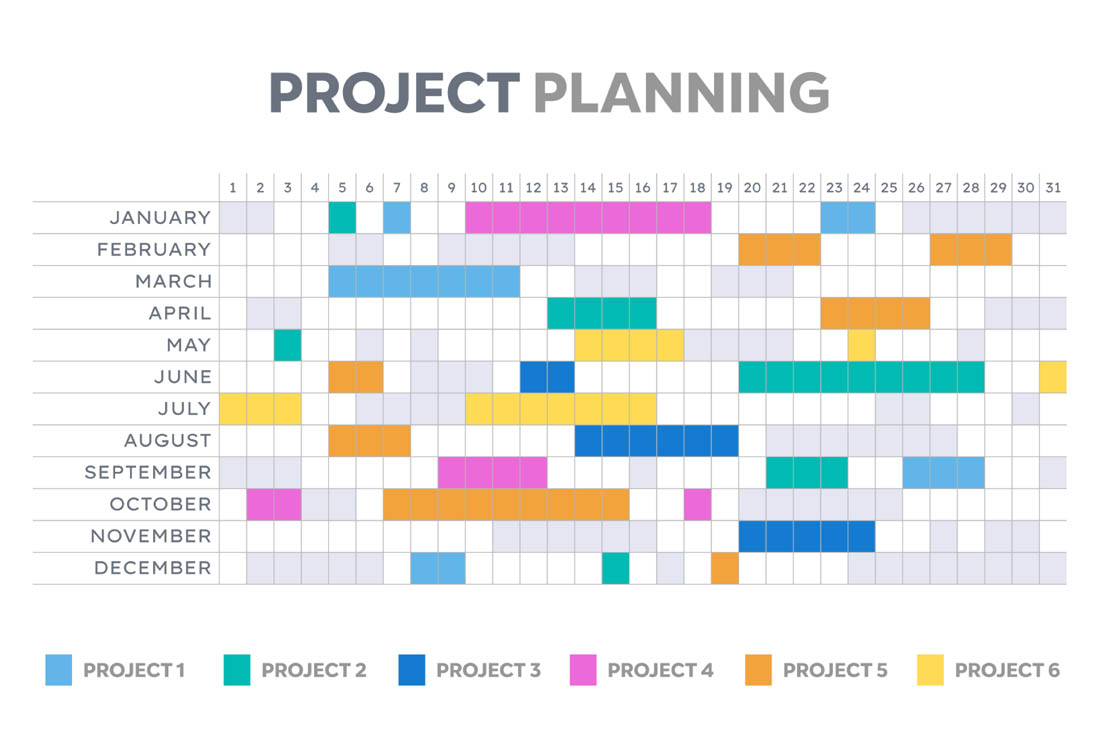
Handling time constraints well is a big part of project management. There are usually many tasks, teams, and dependencies in a project, all of which have to be done by a certain date. Setting a firm deadline helps everyone work together and makes sure that everyone knows what they need to do.
Good project managers plan for any delays and add extra time to their timelines. Teams can change without missing deadlines because of this flexibility. Open communication and regular progress assessments are also very important for managing time limits. When problems are found early, steps can be done to fix them before they get worse.
Time and Technology Limitations
Technology has changed the way we deal with time limits. Digital technologies make it easier to plan, keep track of tasks, and talk to others. These tools let people and businesses see timelines and use their time more effectively.
But technology can also make things harder. Notifications and other digital distractions can take up a lot of time. It’s crucial to use technology on purpose if you want to make the most of your time. Setting limits and using tools intelligently will help you get more done instead of getting in your way.
Mistakes People Make When They Are Short on Time
One common mistake is not giving enough time to do tasks. This often results in schedules that aren’t practical and stress that isn’t needed. Another mistake is doing too many things at once, which can make you less productive and make more mistakes.
Not planning for things that might happen is another problem. Schedules that are too strict can rapidly break apart since life and work are unpredictable. Giving yourself some leeway within time limits can help you deal with unexpected problems without stopping work.

The Long-Term Effects of Bad Time Management
Bad management of time limits can have long-lasting effects. Chronic stress, missed chances, and lower performance are all things that happen often. This can have an effect on your career, your relationships, and your general health over time.
On the other hand, learning how to manage time constraints gives you more control and balance. People who manage their time well tend to be less stressed, more productive, and happier with their lives. Learning this ability is an investment that will pay dividends for the rest of your life.
Making a Healthy Relationship With Time Limit
Instead of seeing time limits as a bad thing, you might see them as a way to guide you. Time restrictions give things structure and make people do things on purpose. People may get more done with less effort if they accept time limits and work within them.
Making habits like preparing realistically, thinking about things often, and always trying to get better will help you have a better relationship with time. These habits change the way you think about time limits from a cause of stress to a way to go ahead.
Conclusion
Every aim must be met within the restrictions of time. Time constraints are at the heart of how tasks are planned, decisions are made, and productivity is measured. When you know how to deal with them, time limits can help you stay focused, work faster, and be happier. But if you ignore them or don’t handle them well, they might cause tension and bad results.
Individuals and businesses can transform time limits into an advantage by planning carefully, making realistic schedules, and being careful with their resources. In the end, success isn’t about having more time; it’s about making the most of the time you have within the limits that are there.
Read More:- Budget Constraint: A Step-by-Step Explanation with Practical Insights