


There are always boundaries in any system, whether it’s personal, professional, or organizational, that affect choices and results. These boundaries are often called constraints, and they are very important for planning, problem-solving, and improving performance. Constraints determine what is feasible and what is not, from company strategies to engineering designs to everyday decisions. People and businesses can perform better within limits if they understand how they work instead of fighting against them.
Not all limits are bad. It may seem like a limitation, but it typically gives structure and direction. Systems become inefficient, misdirected, or unstable when there are no limits. In this post, we look at what constraint really means, the many kinds of restrictions, and how working within them may lead to new ideas and success.
Definition and Main Idea of Constraint
A constraint is a limit or restriction that affects how a system, process, or activity can work. It sets limits that, if crossed, will lead to failure, wasted time, or other problems. There may be constraints on what you can do because of physical limits, rules, finances, time, or other factors.
A limitation is something that stops something from growing freely. There is always at least one limit on any strategy or system, even if you can’t see it right away. Knowing these constraints early on helps avoid setting unrealistic goals and makes planning smarter.
Both natural and man-made systems have limits. There are constraints on how much you can move because of gravity, how much you can spend because of budgets, and how you can act because of laws. These examples show how limitations can help people act in ways that are both acceptable and sustainable.
Why systems have limits
There are limits since no system has infinite resources. Every system has to be careful about how it uses its limited resources of time, money, energy, space, and information. A constraint keeps things in balance by making sure that resources aren’t used too much or in the wrong way.
Constraints help define priorities for goals in organizations. For instance, a corporation may have a lot of ideas, but because it doesn’t have enough money, the people in charge have to choose the ones that will bring in the greatest money. This process of setting priorities typically makes things run more smoothly and gives people a clearer idea of what to do.
Another purpose for limits is to keep things stable. In engineering, safety is guaranteed by restrictions. In social systems, rules and laws are limits that keep everything in order. If there weren’t certain constraints, systems would be unpredictable and out of control.

Big Types of Limitations
Depending on the situation, constraints might take many different shapes. Each type has a different effect on decision-making and needs its own set of tactics to be handled well.
| Constraint Type | Description | Common Areas |
|---|---|---|
| Time Constraint | Limited duration to complete a task | Projects, exams, events |
| Resource Constraint | Limited availability of materials or funds | Business, manufacturing |
| Physical Constraint | Natural or mechanical limits | Engineering, physics |
| Legal Constraint | Rules and regulations | Law, governance |
| Technical Constraint | System or technology limitations | Software, IT |
Knowing what kind of constraint it is helps you figure out if you can change it, make it better, or if you have to follow it exactly.
Limitations in Business and Management
In business, a limitation typically decides how quickly or well an organization can work. It could be because of not enough money, not enough workers, not enough production capacity, or bad market conditions. When managers know what the major problem is, they can put their efforts into fixing that one thing instead than trying to do too many things at once.
A manufacturing company can find that the amount of goods it can make is limited not by demand but by the capacity of its machines. In this scenario, the machine is the main thing that stops progress. Upgrading or better scheduling can help a lot with this problem and make everyone more productive.
Strategic planning is also affected by constraints. Budget limits effect marketing plans, whereas time limits determine when products are released. Companies that know and respect their limits are more likely to expand in a way that lasts.
Limitations in Project Planning
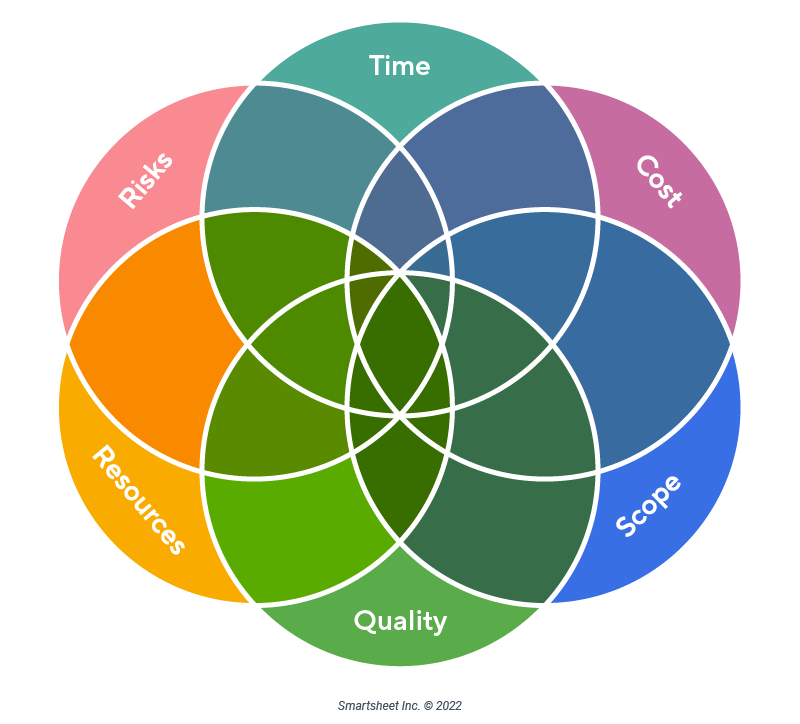
Constraints have a big impact on project management. The typical project triangle has three parts: scope, time, and money. These three parts are all restrictions that are linked to each other. Changing one thing frequently changes the others.
If there isn’t enough time, you could need more resources to meet deadlines. A limit on costs may limit the amount of work that can be done. When designing a project, it’s important to find a balance between these limits while still making sure the work is of high quality and all stakeholders are happy.
If you don’t take restrictions into account when planning, your projects may be late, cost more than you planned, or even fail. Successful project managers see limits as guidelines instead of problems.
Limitations in Engineering and Design
Constraints are important in engineering because they make sure things work and are safe. During the design process, structural limits, material strength, energy use, and environmental factors all put limits on what may be done.
Designers often use limits in inventive ways. Limited space may lead to designs that are small and work well. In aircraft engineering, weight limits lead to new materials and structures. In this approach, limits encourage new ideas instead of stopping them.
Constraints help you focus in design thinking. Designers operate under specific limits that make ideas more practical and realistic, rather than having unlimited options.
Limitations in Economics
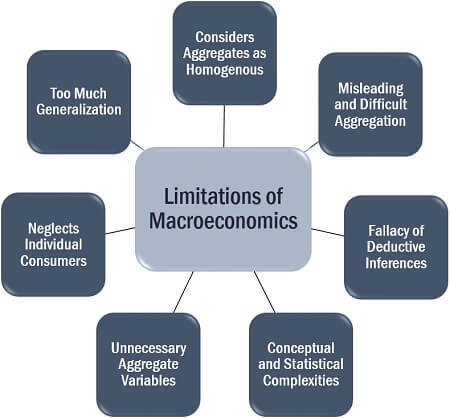
In economics, a constraint is a limit on choice. For example, consumers may have income limits, and producers may have resource limits. These restrictions affect how people act and make decisions in the economy.
People who buy things have to select how to spend their limited money on different needs. Producers have to decide how to use their limited resources to get the most output or profit. Economists can guess how people will act and look at market outcomes better when they know about restrictions.
Budget limits are very important in economic models. They show how scarcity affects choices and trade-offs in real life.
Common Examples of Limitations
There are limits on more than just work. They show up all the time in everyday life. Time limits change plans, money limits change how much you spend, and physical limits change what you can do.
For instance, a student studying for tests has a time limit that decides how much they can study each day. A family that wants to go on vacation has to stick to a budget that limits their options for where to go.
People can create more realistic plans and feel less stressed when they know what their daily limits are.
The advantages of working within limits
People frequently think of limits as bad things, yet they can also be good things. They make things clearer by setting limits and expectations. When there are defined limits, it’s easier to make decisions quickly and with more focus.
Limitations also make people more creative. People have to think differently and come up with new ways to solve problems when resources are scarce. Restrictive restrictions often lead to new and exciting ideas.
Also, limits help things run more smoothly. They help systems run smoothly and last by reducing waste and overextension.
Problems and Limits of Constraints
Constraints can be helpful, but they can also be hard to deal with. Too many rules or rules that aren’t well thought out can stop new ideas and slow down progress. For instance, too many rules might make it hard for businesses to grow and change.
Strict rules can also make things less flexible. When systems can’t adapt to new situations, they might not be able to handle new problems well. The idea is to find a balance between the limits that are needed and the space for change.
For long-term success, it’s important to know which limits are necessary and which can be changed.
How to Handle Constraints Well
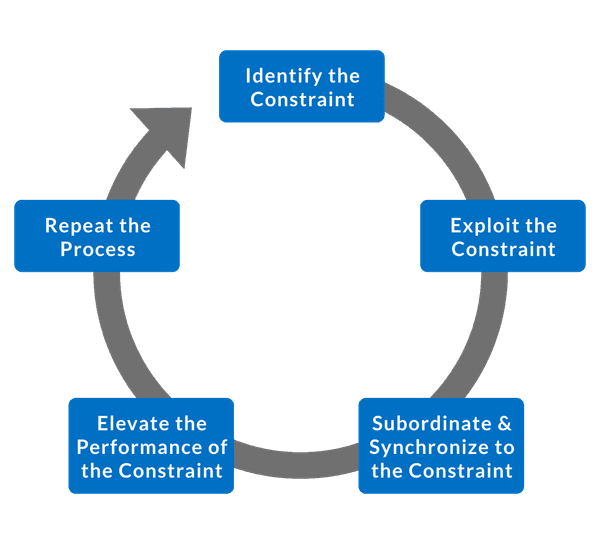
Identifying, evaluating, and optimizing limitations are all important parts of good management. The first step is to figure out what the main thing is that is holding back performance. Once you know what it is, you can come up with ways to work around it or make it better.
| Strategy | Purpose | Outcome |
|---|---|---|
| Prioritization | Focus on key limits | Better resource use |
| Optimization | Improve constrained areas | Increased efficiency |
| Flexibility | Adjust where possible | Greater adaptability |
| Monitoring | Track changes over time | Sustained performance |
By actively regulating limits, systems can provide better results without going over what is reasonable.
Conclusion
A restriction is an inevitable aspect of every system that affects choices, actions, and results in all parts of life. People and businesses can work better if they see limits as guiding forces instead of barriers. Constraints help businesses and engineers arrange their days, and they also help the economy and the environment. When you know about and deal with them effectively, limitations can be quite helpful for reaching true and meaningful goals.
Read More:- Time Constraint Explained: Meaning, Impact, and Smart Solutions