
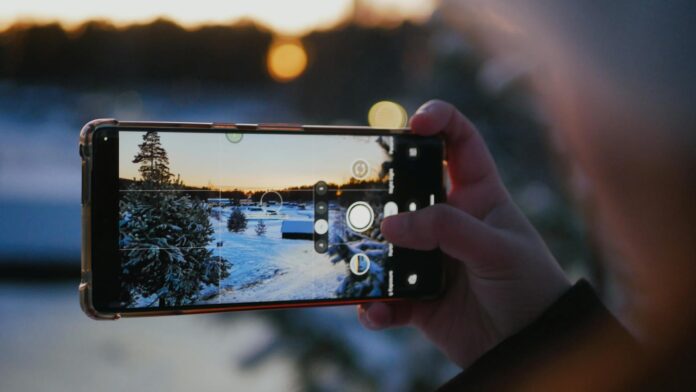

The interesting thing about smartphone cameras is that they didn’t replace traditional cameras all at once. It happened little by little. Phone cameras got slightly better. Then they got better again. And then one day, many people realised they hadn’t touched their camera in months.
For years, smartphones were seen as a backup. They were useful for quick snapshots but not much else. Vacation photos, family events, and important occasions were still considered camera territory. That line has become much blurrier. Today, a large percentage of the photos people take never leave their phones. They’re captured there, edited there, shared there, and stored there. For many users, carrying a separate camera simply feels unnecessary.
Most People Aren’t Pixel Peeping
Camera enthusiasts often enjoy comparing technical specifications. That’s understandable. Photography is a hobby for millions of people. Most consumers approach it differently. A photo is either good enough or it isn’t. Nobody at a family barbecue is discussing sensor performance. Nobody at a birthday party is measuring dynamic range. They’re looking at the picture and asking a much simpler question: “Did it come out well?” If the answer is yes, the job is done.
That’s one reason smartphone cameras have become so popular. They remove much of the effort from photography while still producing results people are happy with. A clear photo of friends. A nice sunset. A memorable family moment. That’s what most people are actually trying to capture.
Convenience Wins More Often Than Technology
One advantage smartphones have is surprisingly simple. People already carry them. A dedicated camera might produce better results in certain situations, but it also has to be packed, charged, carried, and remembered. A smartphone is already there.
That’s why so many memorable photos come from phones. Not because users carefully planned the shot, but because the phone happened to be nearby when something worth capturing happened.
A funny conversation. A pet doing something ridiculous. A beautiful view during a long drive. Moments like these don’t wait.
The Improvements Added Up
Looking back, smartphone cameras didn’t improve through one breakthrough feature. The changes were gradual. Photos became a little sharper. Night mode became a little better. The video became smoother. Colours became more accurate. Each improvement seemed relatively small at the time. The result, however, was significant.
A phone that once struggled in low light can now produce surprisingly usable images after sunset. Video stabilisation that once seemed impressive is now expected. Portrait effects that looked artificial a few years ago have become much more convincing. The technology matured while people were busy using it.
Photography Is Now Part of Daily Communication
The role of photography has changed too. Photos aren’t only memories anymore. They are a form of communication now. Friends share pictures in group chats. Businesses post products online. Travellers document experiences in real time.
In many cases, photos are being shared within minutes of being taken. That behaviour naturally favours smartphones.
Everything happens on the same device. Take the photo, make a few adjustments, add a caption, and post it. The process feels effortless. That’s difficult for traditional cameras to compete with, regardless of image quality.

Software Changed the Game
When people think about cameras, they often think about lenses and sensors. Software deserves just as much attention.
Modern smartphones process images almost instantly. They balance exposure, reduce noise, improve colours, and sharpen details without requiring users to do anything. Most people never notice the technology working in the background. They simply notice that their photos look better. Night photography is one of the clearest examples. Scenes that once looked dark, grainy, and disappointing can now look surprisingly detailed.
Technology brands closely track changing consumer interests. Search trends often reveal which camera features generate the most attention. To better understand these shifts, some companies work with a Cambridge SEO company to identify camera-related topics that consumers are actively researching.
Digital Cameras Still Have Their Place
Although smartphones have made significant advancements, not all cameras have been replaced by them.
Specialised equipment is still required for professional sports photographers. Wildlife photographers still need powerful lenses. Commercial productions still depend on tools designed for demanding environments. Those requirements aren’t going away.
The number of people who genuinely require them has changed. The majority of customers take pictures of everyday life activities, meals, celebrations, travels, and pets. Smartphones do exceptionally well in certain circumstances.
Looking Ahead
Although smartphone cameras are still becoming better, the bigger picture could be that they have already influenced and changed consumer behaviour.
A smartphone is no longer a backup camera for a lot of individuals. It’s just their camera. The importance of photography to consumers is reflected in the continued high level of interest in smartphone camera quality, according to research from the United Nations of Photography.
Digital cameras will be used by both professionals and enthusiasts for many years to come. However, a surprisingly straightforward function has helped smartphones become well-known in everyday photography.