
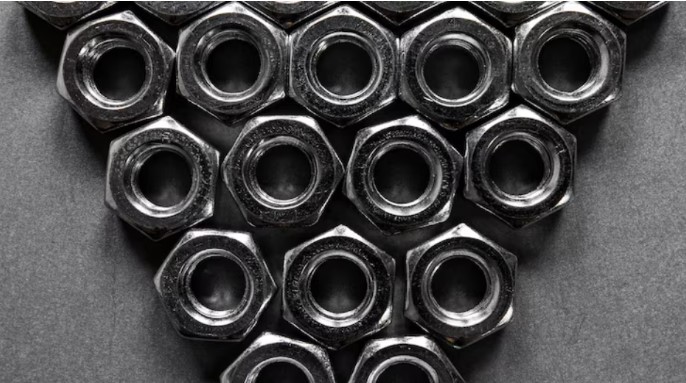

Choosing the right locknuts for your project may seem simple, but it requires careful consideration to ensure safety, durability, and effectiveness. Locknuts are specially designed nuts that resist loosening due to vibration, torque, or other mechanical forces. Using the correct type can make a big difference in the stability and longevity of your project, whether you are working on machinery, construction, or automotive tasks. This article will guide you through key factors to consider when selecting locknuts.
Understanding the Purpose of Locknuts
Locknuts are different from standard nuts because they provide extra security against loosening. They are commonly used in environments where vibration or movement is frequent, such as engines, heavy machinery, or structural assemblies. Knowing the purpose of your project and the conditions it will face is the first step in choosing the right locknuts. Using a standard nut in a high-vibration area can lead to failure, whereas a locknut can maintain a secure connection over time.
Types of Locknuts
There are several types of locknuts, each designed for specific applications. Some common varieties include nylon-insert locknuts, metal locknuts, and serrated flange locknuts. Nylon-insert locknuts are popular for general use and provide resistance against loosening through a nylon ring that grips the bolt threads. Metal locknuts are suitable for high-temperature or heavy-duty applications, while serrated flange locknuts help distribute pressure evenly and prevent loosening. Understanding the differences between these types will help you match the right locknut to your project requirements.
Material Considerations
The material of a locknut is important for strength, corrosion resistance, and longevity. Common materials include stainless steel, carbon steel, and brass. Stainless steel locknuts are ideal for outdoor or humid environments because they resist rust and corrosion. Carbon steel locknuts are strong and cost-effective but may require coatings to prevent corrosion. Brass locknuts are resistant to corrosion and electrical conductivity, making them suitable for certain specialized projects. Choosing the right material ensures that your locknuts will perform well in the conditions they are exposed to.
Size and Thread Compatibility
Correct sizing is critical when selecting locknuts. You must match the locknut to the diameter and thread pitch of the bolt or screw being used. Using a locknut that is too large or too small can compromise the connection and create safety risks. Check manufacturer specifications and measure threads carefully to ensure compatibility. This step may seem basic, but it is one of the most common mistakes in project assembly.
Application-Specific Requirements
Some projects have unique requirements that influence which locknut to choose. For example, machinery subject to heavy vibration may need a high-strength locknut with a nylon insert, while a structural beam may require a flange locknut for even load distribution. Consider factors such as temperature, load, vibration, and environmental exposure when making your selection. Taking the time to evaluate these factors can prevent costly mistakes and ensure your project is secure.
Cost vs. Performance
While cost is often a consideration, it should not outweigh performance and safety. Investing in high-quality locknuts can save time, reduce maintenance, and prevent project failure. Cheaper alternatives may work temporarily but could fail under stress or over time, leading to additional costs and risks. Balance cost with the specific demands of your project to make a practical and reliable choice.
Conclusion
Choosing the right locknuts for your project requires understanding their purpose, types, materials, size, and specific application requirements. By carefully considering these factors, you can ensure that your project remains safe, secure, and long-lasting. Locknuts may seem like a small component, but selecting the correct type can make a significant difference in performance and reliability. Taking the time to choose wisely ensures that your work is both professional and durable.