

Assess Your Storage Needs
Begin by evaluating the items you need to store. Categorize them based on frequency of use, size, and fragility. This assessment will help you determine the appropriate size and type of storage unit required. For instance, seasonal decorations and rarely used equipment can be stored away, freeing up valuable space at home.
A thoughtful assessment also helps avoid paying for more storage space than you need. Start by gathering everything you’re considering for storage in one area, then review your budget and space constraints. Create a simple spreadsheet or written list to track what needs to move out of your home, garage, or office. Take measurements of larger items, group similar possessions together, and try to visualize how much volume they’ll take up.
Choose the Right Storage Unit
Selecting the appropriate storage unit is crucial. Consider factors such as size, climate control, and security features. A unit that’s too small may lead to overcrowding, while an excessively large one could be an unnecessary expense. Climate-controlled units are ideal for sensitive items like electronics or antiques, as they protect them from temperature fluctuations and humidity.
For residents in Sonoma seeking reliable storage solutions, Lakeville Mini Storage offers a range of Sonoma storage units tailored to meet diverse needs. Located in Petaluma, CA, Lakeville Mini Storage has been serving the area since 1984, offering clean, well-maintained facilities with features such as on-site resident managers, computer-controlled access, and month-to-month leases. Their commitment to security and customer service makes them a trusted choice for your storage requirements.
It’s wise to visit the storage facility before committing to a unit. Seeing the available units firsthand will help you decide if the lighting, cleanliness, and accessibility meet your expectations. Ask about gate hours, as some facilities only allow access at certain times. Evaluate the ease of loading and unloading wide driveways, sidewalks, and elevators (for multi-story facilities), which can make a big difference in your moving experience.
Plan Your Layout
Before moving items into the unit, plan the layout to maximize space and accessibility. Place frequently used items near the entrance and less frequently used ones toward the back. Creating a clear pathway within the unit allows easy access to all items without the need to move multiple boxes.
Try sketching a simple map of your storage unit on paper or digitally, noting where large items like furniture or appliances will go. Consider storing mattresses, mirrors, and artwork vertically on their edges to save floor space. Leave a walkway down the middle so you can reach the boxes at the back without unloading half the unit. Placing pallets or tarps underneath boxes and furniture can help keep them dry and protected from dust.
Use Uniform Packing Materials
Utilize sturdy, uniform-sized boxes and containers for packing. This uniformity makes stacking easier and more stable, reducing the risk of items toppling over. Label each box clearly with its contents and the room it belongs to, facilitating easy identification and retrieval.
Selecting quality bins and boxes can make a significant difference in organization and safety. Avoid reused boxes that aren’t sturdy, and opt for clear plastic bins for items you might retrieve often. Bubble wrap and packing paper help keep fragile items secure, and vacuum-sealed bags compress clothing or bedding, saving precious space.
Implement Vertical Storage Solutions
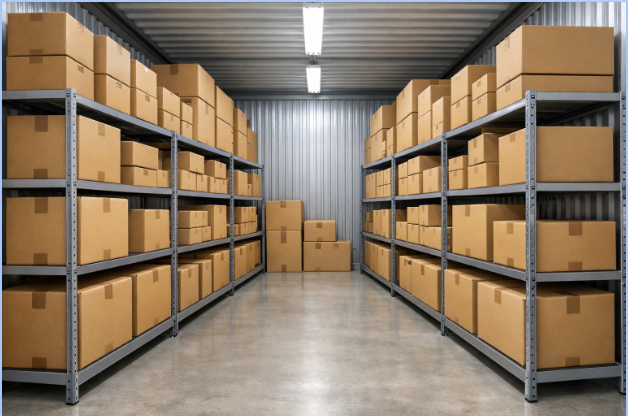
Maximize vertical space in your storage unit by installing shelving. This approach keeps items off the floor, protects them from potential damage, and allows for better organization. Shelving also makes it easier to access items without unstacking multiple boxes.
Adjustable, heavy-duty shelves are ideal for most storage units, as they can accommodate bins, boxes, small appliances, and even tools or sports equipment. Stack lightweight items higher and heavier items lower for added stability. For large units, consider moveable storage racks or portable clothes rods to organize seasonal wardrobes or textiles. Hanging hooks and wall-mounted pegboards can also utilize wall space for bicycles, tools, or gardening equipment.
Maintain an Inventory
Keep a detailed inventory of all items stored, including their locations within the unit. This record can be digital or physical and should be updated regularly. An inventory helps you track your belongings and simplifies finding specific items when needed.
Use inventory management apps or spreadsheets to make tracking easier; include photos, a brief description, and the box or shelf location for every item. This practice is particularly beneficial when storing many small items or seasonal decor, as it prevents unnecessary rummaging. Keeping an up-to-date inventory also helps when reviewing insurance needs for your stored items.
Regular Maintenance and Review
Periodically visit your storage unit to ensure items remain in good condition and the organization system is effective. This practice allows you to make adjustments as needed and prevents the accumulation of unnecessary items over time.
Set reminders to inspect your unit every few months. During each visit, check for signs of moisture, pests, or packaging damage. Rotate boxes to prevent long-term pressure damage, and declutter any unneeded possessions. Revising your layout and inventory regularly keeps your storage efficient and free of clutter buildup. Take this opportunity to swap out seasonal items, leaving only what you truly need in storage from month to month.
Additional Tips for a Seamless Storage Experience
If you’re storing valuables, inquire about insurance options and discuss with your facility manager the best ways to protect expensive or irreplaceable items. Consider picking a facility with strong lighting, modern surveillance, and convenient gate access hours. Always lock your unit with a high-quality padlock or disc lock for extra security.
For those planning to store belongings for a long period, a checklist can be a valuable tool. Write down tasks such as “update inventory,” “rotate contents,” and “inspect for moisture” to help streamline your visits and ensure nothing is overlooked.
Finally, ask facility staff for helpful moving resources, such as recommended movers, packing material suppliers, or moving carts. Their insights could save you time and effort, particularly if you’re new to using storage units or moving in the Petaluma or Sonoma area.
Conclusion
Organizing your home with self-storage units can significantly enhance your living space and reduce clutter. By assessing your storage needs, choosing the right unit, and implementing effective organization strategies, you can create a functional and accessible storage system.